

This article draws on a lecture delivered at the National Library in Aleppo.
Reforming Syrian education begins with a fair review of our experience: what is worth building on, what needs to change, and which needs now call for responses that were not previously among the school’s priorities?
These questions should come before debates about changing textbooks, introducing devices, or replacing teaching methods. All are means, and their value depends on what they achieve in student learning. The deeper question is: what do we want learners to be able to understand, do, choose, and take responsibility for?
This question can guide reform that preserves the strengths of our experience, reviews its practices, and responds to learners’ different circumstances. What follows is a vision for discussion and experimentation, grounded in educational principles and experience in standards work. A detailed judgment about Syrian schools requires field data and research.
Knowledge Is a Foundation We Should Build on Well
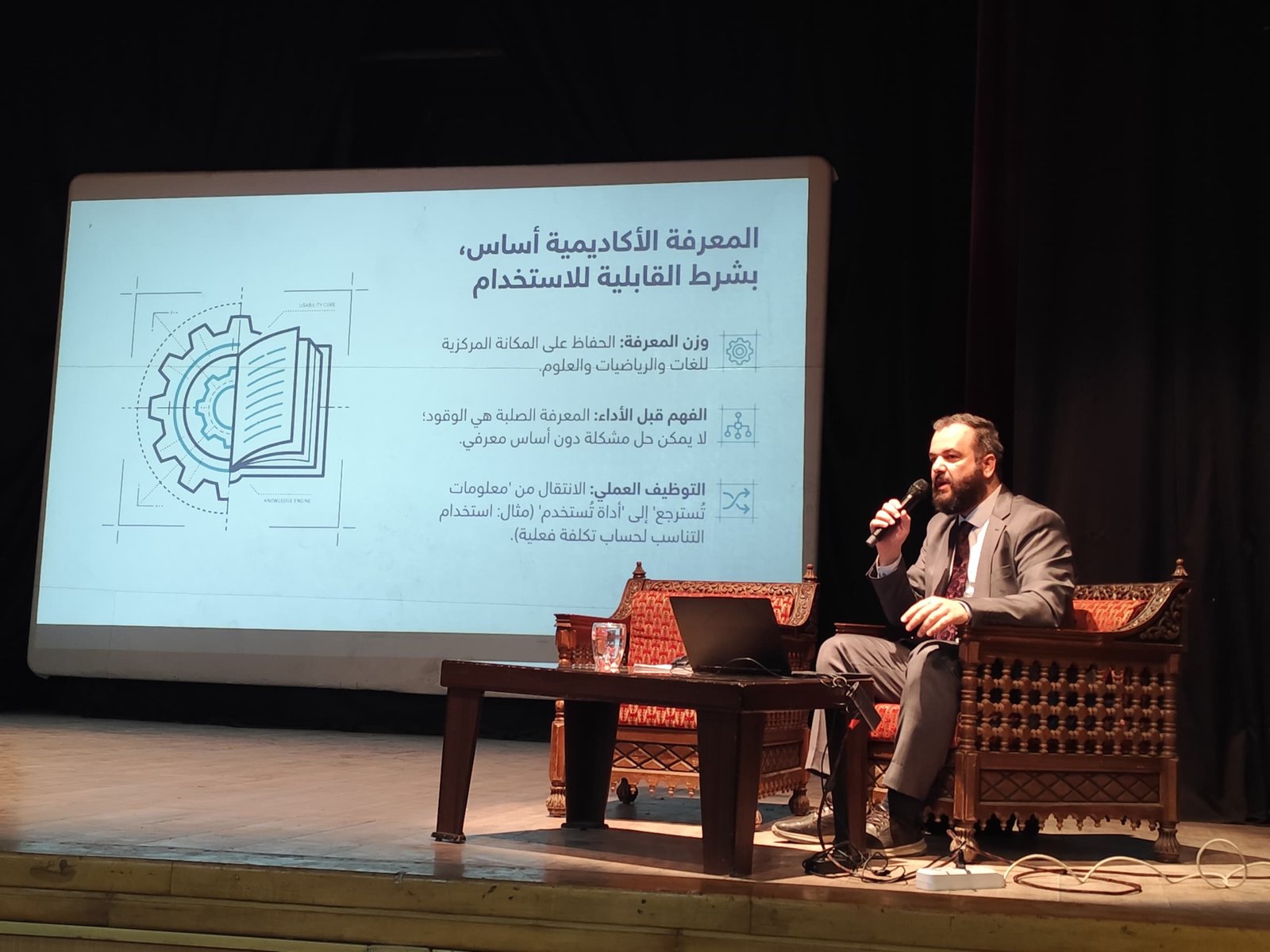
One value worth preserving is the importance given to academic knowledge, especially in language, mathematics, and science. Knowledge is essential to understanding, thinking, and judgment; learners cannot discuss an issue or solve a problem without a foundation that helps them make sense of it.
Preserving knowledge, however, requires us to reconsider what we ask learners to do with it. A student may recall a definition or rule yet struggle to explain a situation or apply what they have learned. We need learning experiences that move knowledge into use.
A student learning ratios and proportions might compare two offers or calculate an actual cost. A science concept might be used to explain a phenomenon or design a simple experiment. A grammar rule might be applied in a paragraph whose effect on meaning the student then reviews.
Skill, in this way, extends knowledge, and application gives us evidence of understanding. When reviewing content, we should ask: which knowledge is essential, how should it develop, and what opportunities will let learners use it?
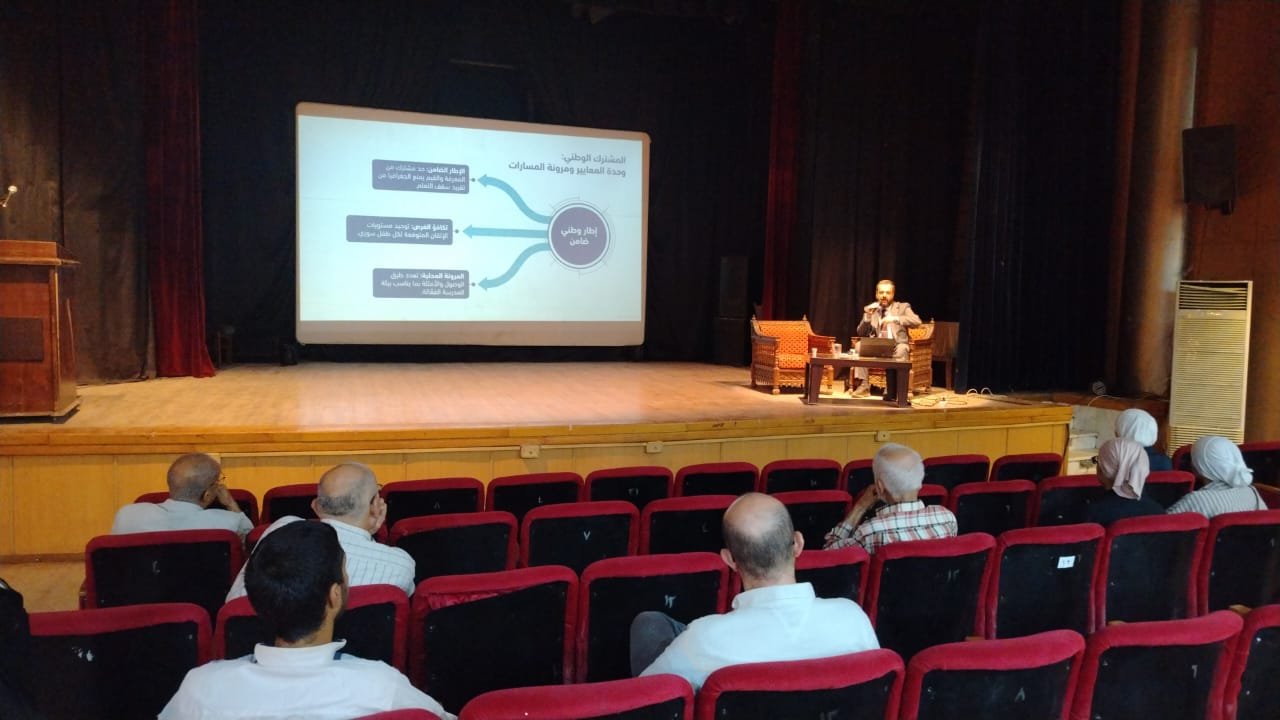
A Shared National Framework and Flexibility for Schools
Syrian education needs a national framework that guarantees every child a common foundation of knowledge, language, values, and competencies. This shared foundation can strengthen social cohesion and give learners a clear entitlement to education of a known standard, whatever their region or school circumstances.
At the same time, learners’ needs, available resources, and learning environments differ. Standards and levels of mastery can remain common while schools have flexibility in activities, examples, and forms of support.
Students in two schools might meet the same writing standard through different topics connected to their surroundings. Some may need additional vocabulary practice, while others need to organize their ideas more effectively. The goal remains shared; the route can respond to need.
This is what I mean by “centralized standards, flexible pathways.” For it to work, schools need clear authority, professional support, and fair monitoring of outcomes so they can make decisions that serve their students’ learning.
From Finishing the Textbook to Mastering Learning
One question deserves attention: how should we judge educational progress? Is it enough to know how much of the textbook has been covered, or should we also ask what students have mastered?
Completing the content indicates that teaching has proceeded, but it does not prove that learning has taken place. A teacher may cover every lesson while students retain basic difficulties that have had no time to be addressed. Curricula should therefore identify clear priorities and allow time for understanding, application, and feedback.
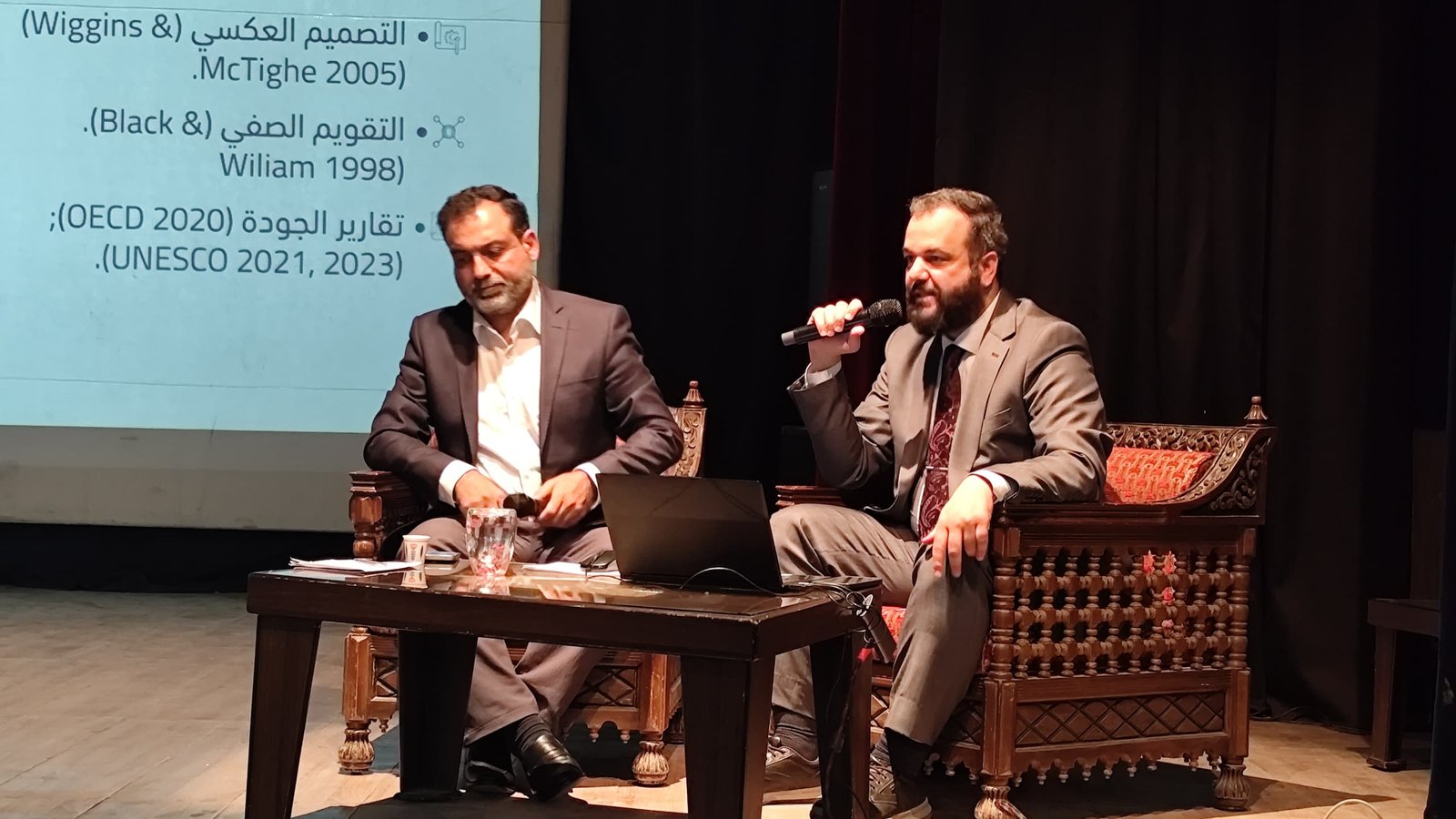
A textbook is one resource within a curriculum; the curriculum also includes learning outcomes, educational experiences, assessment, and support. Reducing curriculum overload requires reviewing repetition, sequence, and the necessity of topics so that what we expect students to learn fits the time available for mastery. The OECD has addressed this issue in its work on curriculum overload.
In standards work, we organize the relationship between an outcome, a standard, a performance indicator, a learning activity, and an assessment tool. This helps turn broad aims into performance that can be observed and reviewed.
If an outcome is understanding a text at the appropriate level, a standard might be identifying its overall meaning and drawing inferences. An indicator might ask the learner to identify the main idea and cite evidence from the text. We then choose an activity that develops this ability and a new assessment task that shows whether the student can perform it independently.
This relationship reflects constructive alignment, which connects learning outcomes with teaching activities and assessment. It also helps us locate problems: was the task suitable, and did we give students practice in the ability we later assessed?
Assessment That Helps Improve Learning
When grades become the only evidence of success, whatever raises them tends to dominate the decisions of students, families, and schools. Education reform therefore needs to reconsider what we assess, how we assess it, and how we use the results.
Tests have an important role, and their questions can be improved to measure understanding, application, and reasoning. We also need performance tasks, selected student work, and formative assessment that reveals difficulties while learning is still under way. Black and Wiliam’s research has examined the relationship between classroom assessment and improved learning.
Rather than asking only for a definition of pollution, we might present a situation and ask the student to explain its causes, choose an appropriate response, and justify it. We can then distinguish accurate knowledge from strong reasoning and a suitable solution.
A broader range of assessment needs safeguards. Homework projects may depend on a family’s resources or internet access, and teachers’ judgments may vary without clear scoring criteria. Teachers should be supported in designing tools and reviewing student work together, while students have fair opportunities to demonstrate learning at school.
The Teacher’s Professional Standing Is Built Through Participation and Support
We should preserve seriousness, discipline, and perseverance while building a professional standing for teachers grounded in their competence, rights, working conditions, and participation in decisions.
Curriculum development requires teachers to have tools for understanding learners’ needs, designing activities, and assessing performance. Any change succeeds or fails in part through what teachers can do in their classrooms and the time, resources, and support available to them.
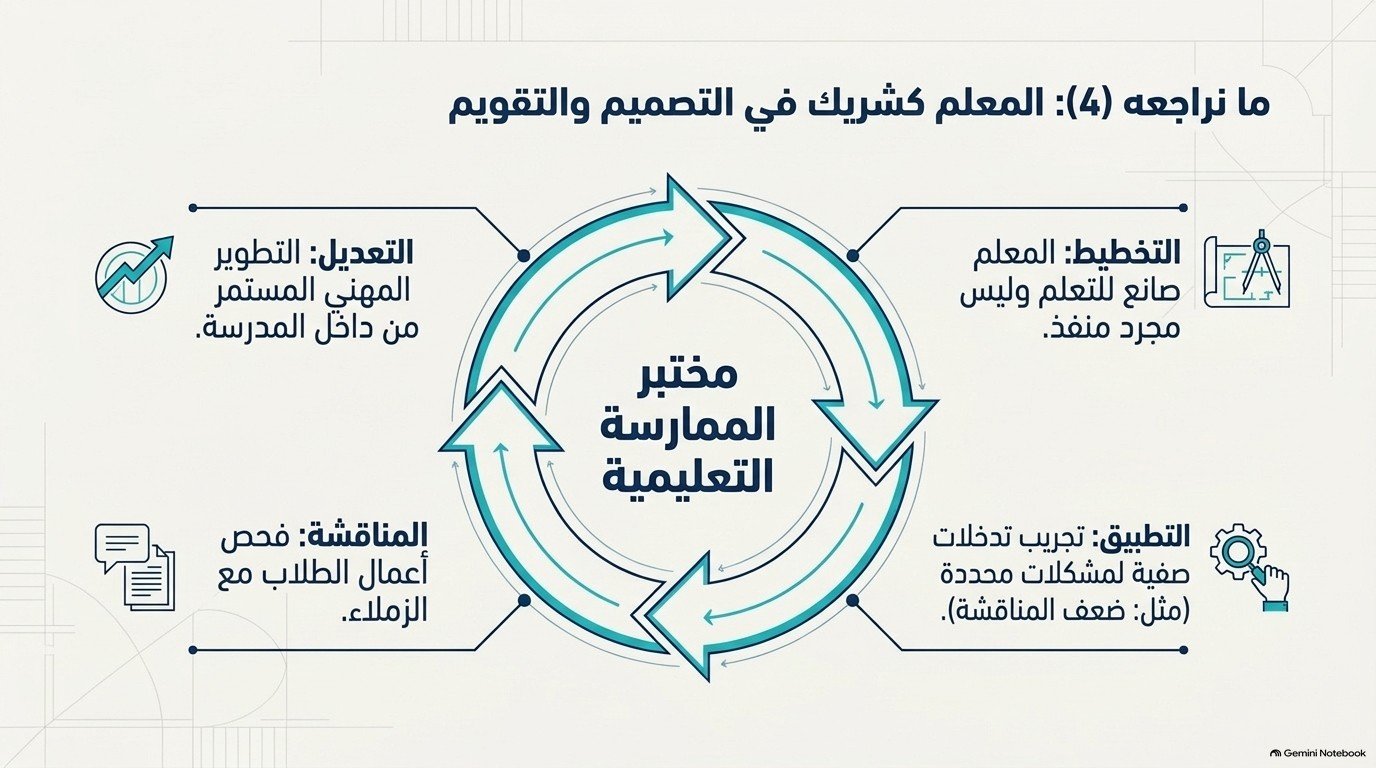
Professional development should be connected to real learning challenges. A group of teachers might address a specific reading difficulty: plan an intervention, try it, discuss student work, and revise it. Their professional meeting then becomes a space for improving teaching through evidence.
A well-organized classroom should also make room for questions, attempts, mistakes, and correction. Discipline that serves learning helps students take responsibility and persevere; it encourages careful reading and effort without relying on fear or memorization alone.
Different Learner Experiences Make Diagnosis Necessary
A classroom may bring together students educated in different systems, students who have been out of school, and students who need support in academic Arabic. Age or grade level alone does not reveal all of their needs.
Support should begin with a brief diagnosis of reading, writing, mathematics, and foundational knowledge, alongside a review of each student’s educational history. Bridge programs or targeted support pathways can then be designed and adjusted according to progress.
It is important to distinguish limited proficiency in the language of instruction from gaps in subject knowledge. A student may understand a concept in another language and need help expressing it in Arabic. Students returning from abroad may also bring languages, skills, and experiences that can enrich the school.
Arabic serves purposes beyond a single subject: it helps learners understand instructions, texts, and concepts, and express knowledge across the curriculum. Supporting academic Arabic therefore calls for cooperation among subject teachers. Learning becomes visible when a student uses a grammar rule in a paragraph and revises it, or interprets a literary text with evidence. Arabic is a language for thinking, communication, and identity—not memorization alone.
Technology Raises the Question of Learning Again
Wider access to information and digital tools makes it more important to verify sources, formulate questions, compare answers, and interpret results. Foundational knowledge remains essential: it helps learners notice errors and judge whether an answer is plausible.
A student might compare an AI-generated answer with a reliable text and identify what needs checking. An assessment can ask students to explain their process, discuss their choices, and complete part of a task in class. These uses require age-appropriate rules for privacy and for acknowledging whose work is whose.
Schools should also take unequal digital access into account. Technology’s value depends on what it adds to learning and whether it can be used fairly and sustainably. These are among the central questions raised in UNESCO’s work on technology in education.
Shared Work and Identity
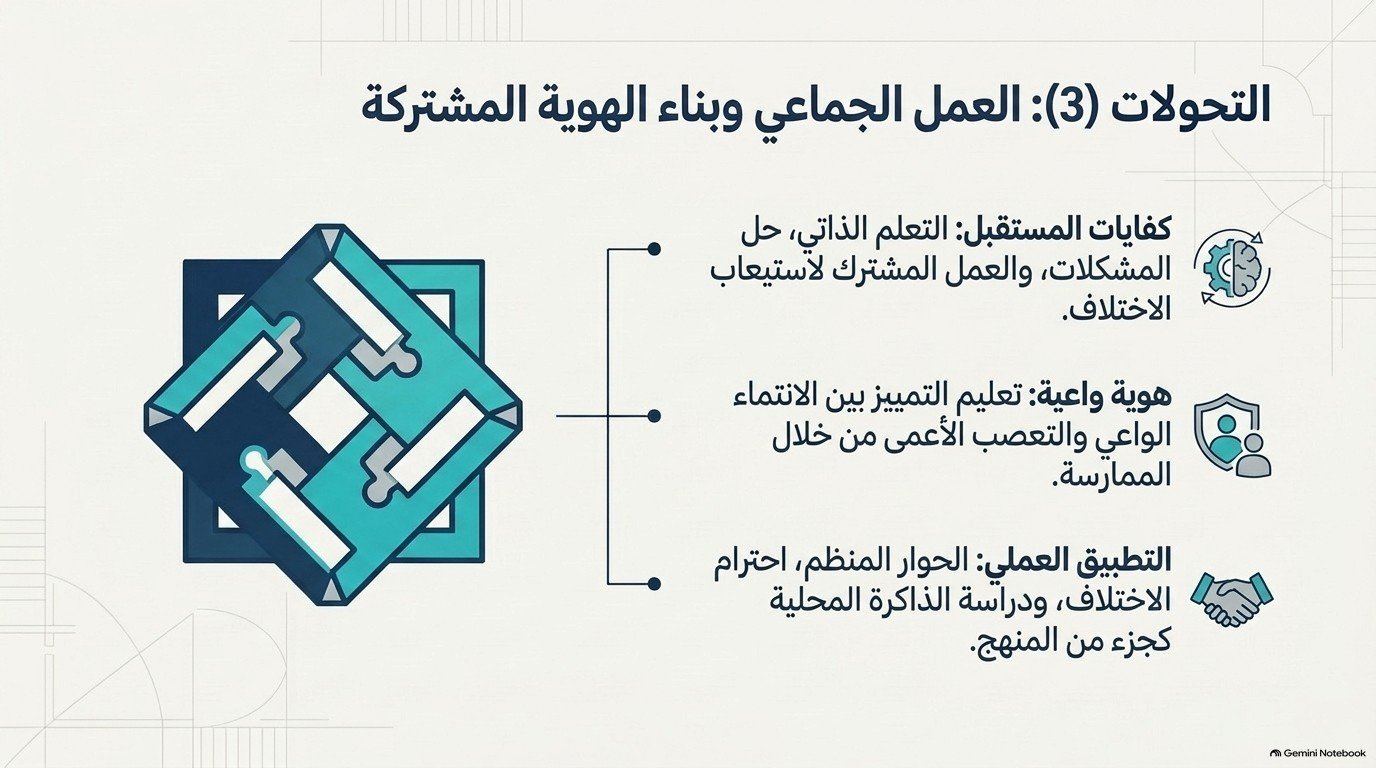
Preparing learners for the future means developing competencies they can carry across life and work: communication, independent learning, problem-solving, collaboration, and responsibility. Education can also build a shared sense of belonging that respects difference, uses dialogue to foster understanding, and helps students explore local memory through diverse, reliable sources.
Quality Requires Evidence and Equity
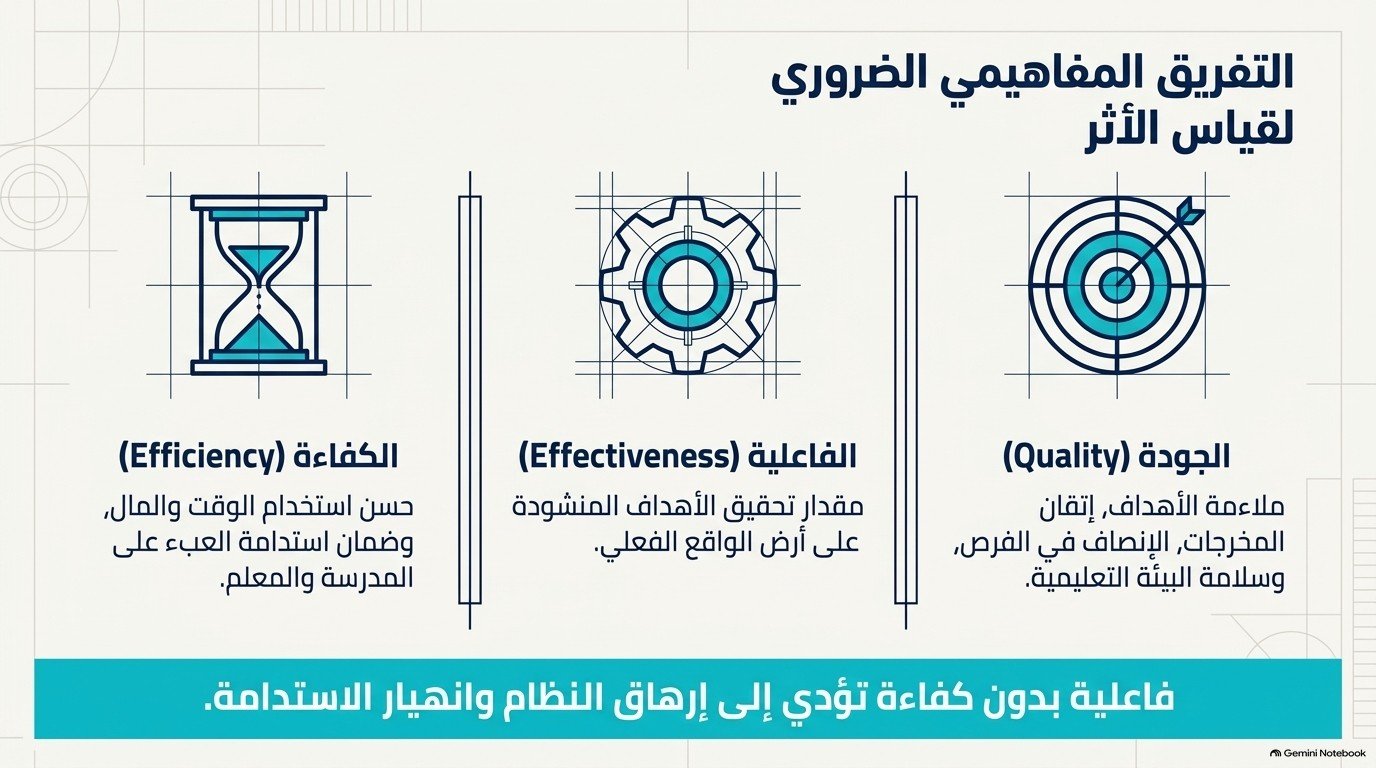
Education quality includes relevant aims, mastery of learning outcomes, fairness in learning opportunities, and a safe environment. Effectiveness concerns the extent to which aims are achieved; efficiency concerns how time, money, and other resources are used to achieve them.
If we set an expected level of reading comprehension, we need evidence that students have reached it. If the overall average improves while a group of learners remains outside that improvement, equity remains an open question. If an intervention requires resources a school cannot sustain, we should review its efficiency and sustainability.
Monitoring can begin with a small set of indicators: reading and mathematics mastery, attendance, progress after support, the quality of student work, and differences among groups. Data should help identify needs and improve decisions while protecting children’s privacy.
Practical Priorities for Reform
I suggest beginning with a clear framework of learner outcomes at the end of the basic education stages, reviewed by teachers, specialists, and relevant education authorities. Curricula and assessment tools should then be reviewed together so that required knowledge, activities, and questions align with these outcomes.
At the same time, schools need to identify foundational needs, build support programs for returning and out-of-school learners and those facing learning difficulties, and provide school-based professional development that lets teachers practise and review their work.
These proposals need to be tested in schools representing different settings. We should document implementation conditions, student progress, and teachers’ workload, then decide whether to adjust or expand. A successful trial in a well-resourced school should be examined before it is generalized. A practical cycle has three steps: diagnose a need and set a clear goal; try a limited intervention with teacher support; review the evidence and revise or expand the intervention. These are proposals for discussion and testing, not a description of an officially adopted program.
The vision connecting these steps is a learner whose knowledge, ability, values, and responsibility develop together. In our frame of reference, trust, stewardship, and the cultivation of the earth give meaning to responsibility for the effects of learning. In education, they appear in honesty, quality of work, care for resources, and respect for others.
Every decision about Syrian education should therefore face a clear question: what has the student become able to understand, do, choose, and take responsibility for as a result of learning?
When we can answer that question, design learning to achieve it, and gather evidence that it has been achieved, reform becomes work we can review and improve. Decisions about what to preserve and what to change can then rest on clear purposes and observable impact.